
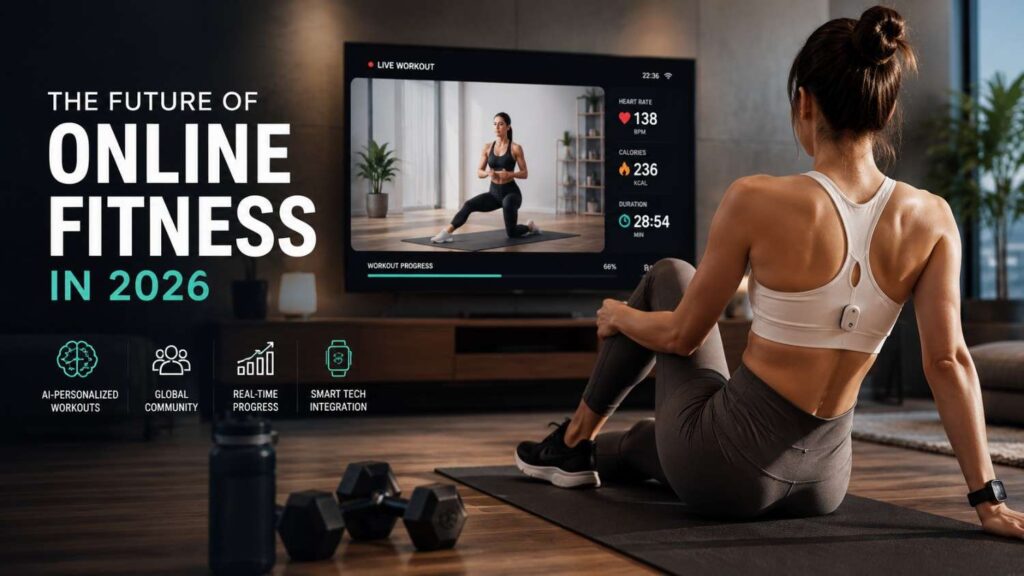
The Future of Online Fitness in 2026: Trends, Technology, and What to Expect
The online fitness industry has experienced remarkable growth over the last several years, evolving from simple video-based workout programs into sophisticated digital ecosystems that combine artificial intelligence, wearable technology, personalized coaching, and real-time health monitoring. What was once viewed as an alternative to traditional gyms has become a primary fitness solution for millions of people around the world. Advances in technology have made it possible for users to receive professional guidance, monitor their performance, and adapt their workouts without needing to visit a physical fitness center.
One of the biggest changes in 2026 is the growing emphasis on personalization. Generic workout plans are gradually being replaced by intelligent systems that analyze individual health data, fitness goals, recovery patterns, and exercise history. AI-powered platforms now create customized programs that evolve as users make progress, helping them avoid plateaus while maintaining motivation. This personalized approach allows beginners and experienced athletes alike to follow training plans that better match their unique needs.
Another important development is the increasing integration of wearable technology with online fitness platforms. Smartwatches, fitness bands, heart rate monitors, and connected exercise equipment provide continuous streams of health data that improve training decisions. Instead of simply tracking steps or calories burned, these devices now measure recovery, sleep quality, stress levels, training readiness, and cardiovascular performance. The combination of wearable data and AI analytics creates a much more complete picture of overall health than traditional workout logs ever could.
In my experience, one of the most exciting aspects of online fitness in 2026 is its ability to combine convenience with professional-level guidance. Users are no longer limited by location, gym hours, or access to experienced trainers. Whether someone wants to improve general health, lose weight, build strength, train for endurance events, or simply stay active, modern online fitness platforms provide flexible solutions that fit almost any lifestyle. As technology continues advancing, digital fitness is becoming more intelligent, accessible, and effective, shaping the future of how people approach exercise and long-term wellness.
Why Online Fitness Continues to Grow
Online fitness has evolved from being a convenient alternative into one of the fastest-growing segments of the global health and wellness industry. Improvements in internet infrastructure, mobile technology, smart devices, and digital coaching platforms have made it easier than ever for people to exercise consistently regardless of where they live or how busy their schedules may be. What once required expensive gym memberships or in-person coaching can now be accessed through smartphones, tablets, laptops, or smart televisions, making professional fitness guidance available to millions of users worldwide.
Another major reason for this continued growth is the increasing demand for personalized experiences. Modern consumers expect fitness programs that adapt to their goals, preferences, and physical abilities rather than offering one-size-fits-all workout plans. Today’s online platforms use artificial intelligence, wearable devices, and performance tracking to create individualized recommendations that change as users improve. This level of personalization helps maintain motivation while delivering better long-term results than static workout programs.
The industry has also expanded beyond exercise alone. Many online fitness platforms now include nutrition coaching, recovery guidance, meditation, sleep improvement programs, habit tracking, and community support. By combining multiple aspects of wellness into one digital ecosystem, these platforms help users build healthier lifestyles instead of focusing only on physical workouts. This holistic approach appeals to people who want comprehensive health support rather than isolated fitness routines.
As remote work, flexible schedules, and digital lifestyles continue to become more common, online fitness is expected to remain a central part of how people stay active. The combination of convenience, affordability, personalization, and continuous technological innovation ensures that digital fitness will continue expanding well beyond 2026.
Greater Flexibility for Every Lifestyle
One of the biggest reasons online fitness continues to attract new users is its unmatched flexibility. Traditional gyms often require fixed schedules, commuting time, and access to specific facilities, which can make maintaining a consistent routine difficult for many people. Online fitness removes many of these limitations by allowing users to exercise whenever and wherever it fits into their daily lives. Whether someone prefers an early morning workout, a quick lunchtime session, or an evening recovery routine, digital platforms make it possible to train without being restricted by operating hours.
This flexibility is particularly valuable for busy professionals, students, parents, frequent travelers, and individuals working remotely. Instead of skipping workouts because of time constraints or travel commitments, users can access thousands of guided sessions from virtually any location with an internet connection. Many platforms also offer downloadable workouts, allowing users to continue exercising even when internet access is limited.
Another advantage is the wide variety of workout formats available. Users can choose between live classes, on-demand videos, personalized training plans, short exercise sessions, or longer structured programs depending on their available time and fitness goals. This adaptability helps people maintain consistency, which is often one of the most important factors in achieving long-term health and fitness improvements.
Rather than forcing individuals to adjust their schedules around a gym, online fitness adapts to modern lifestyles. This convenience reduces common barriers to exercise and makes it easier for people to establish healthy habits that can be maintained over the long term.
Better Accessibility Around the World
One of the most significant strengths of online fitness is its ability to make quality coaching available regardless of geographic location. In the past, access to experienced personal trainers or specialized fitness programs was often limited to people living in large cities with well-equipped gyms. Today, anyone with a reliable internet connection can participate in professionally designed workout programs from almost anywhere in the world.
This increased accessibility benefits people living in rural communities, developing regions, or areas where specialized fitness facilities may not exist. Instead of traveling long distances to attend classes, users can connect with certified instructors, join virtual coaching sessions, and follow structured training programs directly from home. Many platforms also provide multilingual content, making fitness education available to a much broader global audience.
Online fitness is also becoming more inclusive by offering programs designed for different ages, fitness levels, and physical abilities. Beginners can access introductory courses that teach proper exercise techniques, while older adults may find low-impact mobility programs tailored to their needs. Specialized workouts are also available for prenatal fitness, rehabilitation, adaptive exercise, and chronic health conditions, allowing more people to participate safely.
This global accessibility helps reduce inequalities in health education and professional coaching. As internet connectivity continues to improve worldwide, digital fitness platforms will likely play an increasingly important role in making high-quality fitness resources available to diverse populations regardless of their location or background.
Affordable Fitness Options
Cost has traditionally been one of the biggest barriers preventing people from maintaining a regular fitness routine. Gym memberships, personal training sessions, and specialized fitness classes can become expensive, particularly for individuals on limited budgets. Online fitness platforms help address this challenge by providing flexible pricing options that make professional guidance far more affordable than many traditional alternatives.
Many digital fitness services offer multiple subscription levels, allowing users to choose plans that fit both their goals and financial situation. Some platforms provide completely free workout libraries supported by advertisements, while others offer premium memberships that include personalized coaching, nutrition guidance, AI-powered recommendations, and advanced performance analytics. This variety enables users to invest only in the features they truly need.
Another financial advantage is the reduction of indirect costs associated with traditional gyms. Exercising at home eliminates commuting expenses, parking fees, and the need for additional travel time. Users can often build effective home workout routines with minimal equipment, making fitness more accessible without requiring large upfront investments.
Perhaps most importantly, affordable online fitness encourages long-term consistency. When exercise becomes easier to fit into both daily schedules and household budgets, people are more likely to maintain healthy habits over time. As competition among digital fitness providers continues to increase, consumers can expect even greater value, improved personalization, and more innovative features at competitive prices, making online fitness an increasingly attractive option for people around the world.
Related Articles
Artificial Intelligence Is Transforming Personal Training
Artificial intelligence has become one of the most influential technologies shaping the future of online fitness in 2026. Rather than replacing certified personal trainers, AI is enhancing the coaching experience by delivering highly personalized recommendations based on individual data and real-time performance. Traditional workout plans often followed a fixed schedule regardless of whether a user was progressing quickly, recovering slowly, or dealing with lifestyle changes. AI-driven fitness platforms are changing this approach by continuously learning from user behavior and automatically adapting training plans to meet changing needs.
Modern AI systems analyze a wide range of information, including workout history, heart rate, sleep quality, recovery scores, body composition, nutrition habits, wearable device data, and long-term fitness trends. Instead of providing identical workout routines to thousands of users, AI creates individualized recommendations that evolve as performance improves. This level of personalization helps users avoid common problems such as overtraining, undertraining, or losing motivation due to repetitive routines.
Artificial intelligence is also making fitness coaching more accessible. People who may not have the budget for regular one-on-one personal training can now receive intelligent guidance through mobile apps and connected fitness platforms. AI can answer questions, recommend exercise modifications, suggest recovery strategies, and provide progress reports that keep users engaged throughout their fitness journey. Although human expertise remains essential for advanced coaching and injury management, AI serves as a valuable daily assistant that helps users make informed decisions.
As machine learning algorithms continue improving, AI-powered coaching will become even more accurate and responsive. Future online fitness platforms are expected to deliver deeper insights into training readiness, injury prevention, nutrition planning, and long-term performance optimization, making digital coaching more personalized than ever before.
| User Search Intent | AI Fitness Topic Covered |
|---|---|
| How does AI personalize workout plans? | Personalized Workout Recommendations |
| Can AI create custom fitness programs? | AI-Based Training Personalization |
| How does AI track fitness progress? | Smarter Goal Tracking |
| Can AI improve workout performance? | Performance Optimization |
| Does AI adjust workouts automatically? | Adaptive Training Plans |
| How accurate is AI fitness coaching? | AI Coaching Capabilities |
| Can AI reduce workout injuries? | Real-Time Form Feedback |
| What data does AI use for fitness recommendations? | Wearable & Health Data Analysis |
Personalized Workout Recommendations
One of the greatest advantages of artificial intelligence in online fitness is its ability to create personalized workout recommendations for every individual. Traditional fitness programs often assume that everyone progresses at the same pace, but in reality, age, experience, recovery ability, health conditions, lifestyle, and personal goals vary significantly from person to person. AI helps bridge this gap by designing exercise plans that adapt to each user’s unique circumstances.
Modern AI coaching platforms analyze workout history, exercise frequency, training intensity, wearable device data, recovery status, and progress toward specific goals. Based on this information, the system can automatically adjust workout duration, exercise selection, resistance levels, repetitions, rest periods, and weekly training volume. If a user completes workouts consistently and recovers well, AI may gradually increase difficulty. If signs of fatigue or reduced performance appear, the program can recommend lighter sessions or additional recovery time.
This dynamic approach reduces the likelihood of training plateaus because workout routines continue evolving instead of remaining unchanged for months. It also helps beginners avoid excessive intensity while providing experienced athletes with appropriately challenging programs that support continued improvement.
Personalized recommendations also improve motivation. Users often stay engaged longer when workouts feel achievable yet challenging. Rather than following generic exercise videos, they receive guidance specifically designed for their fitness journey, making progress more rewarding and sustainable over the long term.
Real-Time Form Feedback
Proper exercise technique plays a critical role in achieving results while reducing the risk of injury. One of the most exciting developments in online fitness is the use of artificial intelligence and computer vision to provide real-time form feedback during workouts. Using smartphone cameras, webcams, or connected fitness equipment, AI systems can analyze body movement and identify common technique errors as exercises are performed.
For example, an AI-powered fitness platform may detect that a user is squatting too shallow, allowing their knees to move excessively forward, rounding their back during deadlifts, or performing push-ups with poor alignment. Instead of waiting for a coach to review recorded videos later, the system can immediately provide suggestions to improve posture, range of motion, and overall technique. This instant feedback helps users build better movement patterns while reducing the likelihood of developing poor habits.
Although AI-based movement analysis continues improving rapidly, it is important to recognize its limitations. Complex lifts, rehabilitation exercises, and highly technical sports movements still benefit greatly from direct supervision by qualified fitness professionals. AI should be viewed as a supportive coaching tool rather than a complete replacement for experienced human instruction.
As computer vision technology becomes more advanced, real-time movement analysis will likely become even more accurate and accessible. This development has the potential to make professional-quality coaching available to a much larger audience while helping users exercise more safely and effectively from virtually anywhere.
Smarter Goal Tracking
Goal tracking has evolved far beyond simply counting daily steps or monitoring calories burned. Artificial intelligence now helps users understand how multiple aspects of their health and performance work together to influence overall fitness progress. Instead of focusing on one isolated measurement, AI-powered dashboards combine information from workouts, wearable devices, nutrition logs, recovery scores, and lifestyle habits to provide a more complete picture of personal health.
Modern online fitness platforms can monitor a wide variety of performance indicators, including workout consistency, training volume, heart rate trends, recovery status, sleep quality, calories burned, strength progression, cardiovascular fitness, and body composition changes. Rather than simply displaying charts and numbers, AI interprets this information and highlights meaningful trends that users may otherwise overlook.
For example, the system may recognize that improved sleep quality consistently leads to stronger workouts, or it may identify declining recovery scores after several weeks of intense training. Instead of waiting until motivation decreases or performance plateaus, users receive proactive recommendations to adjust workout intensity, schedule additional recovery, or modify training goals before problems develop.
Smarter goal tracking also helps maintain long-term motivation by celebrating gradual progress rather than focusing only on dramatic physical transformations. Small improvements in consistency, endurance, recovery, or overall health often contribute significantly to long-term success. By presenting progress in an understandable and encouraging way, AI-powered fitness platforms help users stay committed while making healthier decisions throughout their fitness journey.
Wearable Technology Is Making Fitness More Intelligent
Wearable technology has become one of the most important components of modern online fitness. Devices such as smartwatches, fitness bands, heart rate monitors, smart rings, and connected exercise equipment continuously collect valuable health information that helps users better understand how their bodies respond to exercise, recovery, stress, and daily activity. Instead of relying solely on subjective feelings, people now have access to objective health data that supports smarter training decisions and more personalized coaching.
One of the biggest advantages of wearable technology is continuous monitoring. Unlike traditional fitness assessments that occur occasionally, wearable devices collect information throughout the day and night. This ongoing data allows users to observe long-term trends in heart rate, sleep quality, activity levels, recovery, and overall wellness. Combined with AI-powered analysis, these insights help individuals identify patterns that influence performance and general health.
Wearables are also strengthening the connection between fitness platforms and personal health management. Many online fitness applications automatically synchronize workout sessions, recovery scores, and activity data from multiple devices, creating a comprehensive digital fitness profile. Trainers and coaching systems can use this information to adjust workout recommendations more accurately than ever before.
As wearable sensors continue advancing, future devices are expected to provide even more detailed health monitoring while becoming smaller, more comfortable, and more energy efficient. The integration of wearable technology with artificial intelligence and online coaching platforms will continue transforming how people exercise, recover, and maintain long-term health, making fitness more intelligent, personalized, and data-driven than ever before.
| User Search Intent | Related Fitness Technology |
|---|---|
| How do fitness wearables improve workouts? | Wearable Technology Integration |
| Which health metrics do fitness trackers monitor? | Advanced Health Monitoring |
| How do wearables help with recovery? | Recovery Management |
| Can wearable devices connect to fitness apps? | Fitness App Integration |
| What is hybrid fitness? | Hybrid Fitness Models |
| How do home workouts and gyms work together? | Combining Home and Gym Workouts |
| Are live online fitness classes effective? | Live Virtual Coaching |
| How do online fitness communities improve motivation? | Community-Driven Motivation |
Advanced Health Monitoring
Modern wearable technology has evolved far beyond simple step counters and calorie estimators. Today’s fitness wearables are equipped with advanced sensors capable of collecting a wide range of health information throughout the day and night. This continuous monitoring allows users to understand not only how much they exercise but also how their bodies respond to training, recovery, stress, and daily lifestyle habits. As online fitness platforms become more sophisticated, these health insights are playing an increasingly important role in creating personalized training experiences.
Most modern wearable devices can monitor heart rate, resting heart rate, daily movement, active minutes, sleep duration, workout intensity, and estimated calorie expenditure. Higher-end models also include features such as blood oxygen estimation, skin temperature tracking, heart rate variability (HRV), stress monitoring, recovery scores, ECG functionality, and VO2 Max estimates. While some of these measurements are designed for general wellness rather than medical diagnosis, they provide valuable long-term trends that help users make better fitness decisions.
The greatest benefit of advanced health monitoring is that it shifts fitness from reactive to proactive. Instead of waiting until fatigue, poor performance, or illness becomes obvious, users can often identify subtle changes in recovery or health before they significantly impact training. For example, a sustained increase in resting heart rate combined with poor sleep quality may indicate that additional recovery is needed before another intense workout.
As sensor technology continues to improve, wearable devices will become even more accurate and capable of providing meaningful health insights. Combined with AI-powered fitness platforms, these devices are helping people develop healthier habits, reduce injury risk, and optimize performance through data-driven decision-making.
Better Recovery Management
Recovery has become one of the most important topics in modern fitness because long-term improvement depends not only on training hard but also on allowing the body enough time to adapt. Online fitness platforms increasingly recognize that recovery is just as valuable as exercise itself. Wearable technology plays a major role in this shift by collecting data that helps users understand when their bodies are ready for intense training and when additional rest may be more beneficial.
Many fitness platforms now analyze wearable data such as resting heart rate, heart rate variability, sleep quality, recent workout intensity, daily activity levels, and stress indicators to estimate recovery status. Rather than encouraging users to complete difficult workouts every day, these systems may recommend lighter exercise, stretching sessions, mobility work, or complete rest when signs of accumulated fatigue appear. This personalized approach helps reduce the likelihood of overtraining while supporting more consistent long-term progress.
Recovery management also encourages healthier daily habits beyond exercise. Users become more aware of how sleep quality, hydration, nutrition, work stress, and travel affect their physical performance. Over time, many people begin prioritizing recovery because they can clearly see its impact on workout quality and overall well-being.
Although recovery scores should never replace personal judgment or professional medical advice, they provide useful guidance for balancing training intensity with adequate rest. As AI and wearable technology continue improving, recovery management will become even more accurate, helping users train smarter while minimizing unnecessary fatigue and injury risk.
Integration with Fitness Apps
One of the greatest strengths of wearable technology is its ability to integrate seamlessly with modern fitness applications and digital health ecosystems. Instead of storing activity data on individual devices, today’s wearables automatically synchronize information with mobile apps, cloud platforms, and online coaching systems. This creates a connected experience where workouts, health metrics, nutrition, recovery, and long-term progress are all managed from a single dashboard.
Many popular wearable devices support integration with platforms such as Apple Health, Google Fit, Garmin Connect, Fitbit, Samsung Health, Strava, MyFitnessPal, and numerous AI-powered coaching applications. These connections allow users to combine data from multiple sources, creating a more complete understanding of their overall wellness. For example, workout performance can be viewed alongside nutrition logs, sleep history, body weight trends, hydration records, and recovery scores, providing a much broader picture of health than exercise tracking alone.
Fitness professionals also benefit from these integrations. Coaches can review detailed client progress remotely, monitor workout consistency, analyze recovery patterns, and adjust training programs based on objective performance data. This level of connectivity improves communication between trainers and clients while making online coaching far more personalized and effective.
As digital health platforms continue expanding, integration between wearable devices and fitness applications will become even more seamless. Users can expect smarter automation, improved data sharing, personalized coaching recommendations, and stronger connections between fitness, nutrition, recovery, and overall health management. This unified ecosystem is one of the key reasons online fitness is becoming increasingly intelligent and effective in 2026.
The Rise of Hybrid Fitness Models
Hybrid fitness has become one of the most important developments in the health and wellness industry because it combines the best aspects of digital fitness with the benefits of traditional gym training. Rather than forcing people to choose between working out at home or visiting a fitness center, hybrid models allow users to move seamlessly between both experiences. This flexibility has become increasingly valuable as people’s schedules, work environments, and lifestyles continue to evolve.
Many gyms, fitness studios, and online coaching platforms now offer memberships that include both in-person and digital services. Members may attend strength training classes at a gym, participate in live virtual yoga sessions from home, follow personalized workout plans through a mobile app, and communicate with trainers online throughout the week. This integrated approach provides greater convenience while maintaining accountability and professional guidance.
Hybrid fitness also improves consistency because users are less likely to skip workouts when unexpected situations arise. Bad weather, travel, work commitments, or family responsibilities no longer have to interrupt exercise routines because digital workouts remain available from almost anywhere. This flexibility helps people maintain healthier habits over the long term without depending entirely on access to physical facilities.
As internet connectivity, wearable technology, and fitness applications continue improving, hybrid fitness is expected to become one of the dominant business models in 2026 and beyond. Instead of replacing traditional gyms, digital platforms are enhancing the overall fitness experience by giving users more options, greater personalization, and continuous support regardless of where they choose to exercise.
Combining Home and Gym Workouts
One of the greatest advantages of hybrid fitness is the ability to combine the strengths of home workouts with the equipment, coaching, and atmosphere available in traditional fitness centers. Instead of relying exclusively on one environment, users can build training routines that fit their personal schedules, goals, and lifestyles. This balanced approach allows people to enjoy the convenience of exercising at home while still benefiting from professional facilities when needed.
Many individuals now divide their weekly routines between multiple locations. For example, someone might visit a commercial gym two or three times each week for strength training using specialized equipment, then complete cardio sessions, yoga, mobility exercises, or recovery workouts at home through an online platform. Others may use digital coaching while traveling and return to in-person classes whenever their schedule allows. This flexibility reduces interruptions and helps maintain long-term workout consistency.
Combining home and gym workouts also improves time management. Short online sessions can be completed before work or during lunch breaks, while more demanding training sessions can be reserved for days when access to a gym is available. This approach makes it easier to stay active without feeling restricted by gym operating hours or commuting time.
Ultimately, hybrid training gives users greater control over their fitness journey. By selecting the right environment for each type of workout, individuals can maximize convenience, improve consistency, and continue progressing toward their health and performance goals throughout the year.
Live Virtual Coaching
Live virtual coaching has become one of the fastest-growing features of online fitness because it brings many of the benefits of personal training into a digital environment. Unlike prerecorded workout videos, live coaching creates real-time interaction between trainers and participants, making workouts feel more engaging, supportive, and personalized. Users receive immediate encouragement, technique demonstrations, and direct communication that help recreate the experience of attending an in-person fitness class.
Many online fitness platforms now offer a wide variety of live coaching options. These include group exercise classes, one-on-one personal training sessions, virtual boot camps, specialized strength coaching, yoga instruction, rehabilitation guidance, and sport-specific conditioning programs. Trainers can answer participant questions, demonstrate proper exercise form, adjust workout intensity, and provide motivation throughout each session.
Advanced technology has further improved the quality of virtual coaching. High-definition video streaming, wearable device integration, AI-powered performance analysis, and interactive communication tools allow trainers to monitor progress more effectively than ever before. Some platforms even provide post-workout summaries, personalized recommendations, and follow-up coaching based on each participant’s performance during the session.
As internet speeds and communication technology continue improving, live virtual coaching is expected to become even more interactive and accessible. It offers an excellent balance between flexibility and professional guidance, making it one of the most valuable features shaping the future of online fitness.
Community-Driven Motivation
One of the biggest challenges people face when exercising independently is maintaining long-term motivation. While personal determination plays an important role, feeling connected to a supportive community often makes it much easier to remain consistent. Modern online fitness platforms recognize this and increasingly focus on creating interactive communities that encourage accountability, friendly competition, and shared progress among members.
Digital fitness communities now include discussion forums, private coaching groups, virtual workout partners, achievement badges, leaderboards, social challenges, and live events that help users stay engaged throughout their fitness journey. Whether someone is training for weight loss, building muscle, preparing for a marathon, or simply improving general health, being surrounded by people with similar goals creates a stronger sense of commitment.
Many platforms also celebrate personal achievements rather than only rewarding elite athletic performance. Completing workout streaks, reaching activity milestones, improving recovery scores, or maintaining healthy habits can all be recognized through digital rewards that encourage continued participation. These small achievements often provide meaningful motivation during periods when progress feels slower.
Community support also promotes learning. Members frequently share workout experiences, nutrition ideas, recovery strategies, and practical advice that benefits others. Combined with professional coaching and AI-powered recommendations, these social connections help transform online fitness from an individual activity into a collaborative experience that encourages healthier lifestyles and long-term consistency.
Emerging Technologies Shaping Online Fitness
Technology continues to redefine nearly every aspect of the fitness industry, and 2026 represents another major step toward smarter, more connected digital wellness experiences. Artificial intelligence remains one of the leading innovations, but it is far from the only technology influencing how people exercise, recover, and manage their health. Virtual reality, augmented reality, smart home gym equipment, cloud-based coaching platforms, wearable sensors, and advanced data analytics are all contributing to a more personalized and engaging fitness ecosystem.
One of the most significant changes is the shift from isolated workout sessions to fully connected wellness platforms. Modern fitness applications no longer focus only on exercise tracking. Instead, they combine workout performance with sleep quality, nutrition habits, recovery status, stress management, and wearable health data to provide comprehensive lifestyle guidance. This broader approach encourages users to think about overall wellness rather than simply completing daily workouts.
Technology is also improving accessibility. Advanced coaching tools that were once available only to elite athletes are becoming increasingly affordable for everyday users. AI-powered recommendations, movement analysis, recovery monitoring, and personalized performance reports are now integrated into many consumer fitness platforms, making professional-level guidance more widely available.
Although not every emerging technology will become mainstream immediately, many innovations introduced today are expected to shape the next generation of online fitness. As hardware becomes more affordable and software becomes more intelligent, digital fitness experiences will continue becoming more immersive, personalized, and effective for users of all fitness levels.
Comparing Traditional Gyms and Online Fitness in 2026
The debate between traditional gyms and online fitness is no longer about which option is better. Instead, it is about which option best matches an individual’s lifestyle, fitness goals, budget, and preferred learning style. In 2026, both approaches have evolved significantly. Traditional gyms continue to provide access to professional equipment, group classes, and face-to-face coaching, while online fitness platforms deliver personalized training, AI-powered coaching, wearable integration, and unmatched convenience. Rather than competing directly, these two models increasingly complement one another through hybrid memberships that allow users to enjoy the strengths of both.
Many fitness enthusiasts now divide their workouts between home and the gym. They may perform heavy strength training using commercial equipment at a fitness center while completing yoga, mobility exercises, recovery sessions, or cardio workouts at home through an app. This flexibility reduces travel time while allowing people to maintain consistency despite busy schedules. For professionals who travel frequently or individuals living in areas with limited gym access, online fitness provides a practical solution that keeps their training uninterrupted.
Technology has also narrowed the gap between digital and in-person coaching. Features such as AI workout adjustments, live virtual coaching, wearable synchronization, progress dashboards, and community challenges help online users receive guidance that was once available only through personal trainers. Meanwhile, many gyms now offer companion apps, virtual classes, and digital coaching, blending traditional services with modern technology.
Instead of viewing one option as universally superior, I recommend evaluating your personal circumstances. Someone focused on powerlifting or bodybuilding may benefit from gym equipment, while another person interested in weight management, flexibility, or general health may achieve excellent results through online programs. Understanding the strengths of each approach allows you to build a fitness routine that remains sustainable over the long term.
Online Fitness vs. Traditional Gyms
| Feature | Online Fitness | Traditional Gym |
|---|---|---|
| Workout Flexibility | Available anytime from almost anywhere | Limited by operating hours and location |
| Personalization | AI-driven recommendations, wearable integration, app customization | Depends largely on trainer availability |
| Cost | Often lower monthly subscription fees | Usually higher membership and training costs |
| Equipment | Bodyweight, home gym equipment, smart devices | Full commercial equipment and machines |
| Community | Virtual classes, online groups, leaderboards | Face-to-face interaction and local community |
| Progress Tracking | Automatic digital reports and analytics | Often manual unless using companion apps |
| Travel Convenience | Accessible anywhere with internet | Requires visiting the facility |
The comparison shows that each option has unique advantages. Many users now combine both to enjoy the flexibility of digital workouts alongside the equipment and social environment offered by traditional fitness centers.
How to Prepare for the Future of Online Fitness
The rapid evolution of digital fitness means users should focus not only on choosing the right workout program but also on building habits that allow them to benefit from emerging technologies. As artificial intelligence, wearable devices, connected gym equipment, and personalized coaching become more sophisticated, preparing for the future involves making thoughtful choices rather than chasing every new trend. The goal should be to create a sustainable fitness routine supported by technology instead of becoming dependent on technology alone.
One of the most effective ways to prepare is by selecting platforms that prioritize personalization. Generic workout libraries are gradually being replaced by systems that adjust exercise intensity, recommend recovery days, monitor progress, and provide customized coaching based on user performance. These adaptive programs help maintain motivation because workouts evolve alongside improvements in fitness rather than remaining repetitive. Users should also look for platforms that regularly update content, integrate with wearable devices, and provide educational resources on nutrition, recovery, and healthy habits.
Building a reliable home workout environment is another important step. Fortunately, preparing for the future does not require purchasing expensive equipment immediately. Starting with versatile, high-quality essentials allows users to perform a wide variety of exercises while leaving room for gradual upgrades as their needs change. Investing in equipment that matches your training style is generally more valuable than buying every trending fitness gadget.
Finally, technology should support long-term consistency rather than replace discipline. Even the most advanced AI coaching system cannot substitute for regular exercise, balanced nutrition, sufficient sleep, and proper recovery. I recommend reviewing your progress weekly, adjusting goals when necessary, and focusing on gradual improvements rather than expecting immediate transformations. The future of online fitness rewards consistency far more than perfection.
Choose Platforms That Prioritize Personalization
Modern fitness platforms should offer more than prerecorded workout videos. Look for services that provide customized training plans, adaptive progress tracking, wearable integration, nutrition guidance, and intelligent recovery recommendations. These features create a more engaging experience because the program evolves according to your goals, performance, and fitness level.
A personalized platform also helps reduce boredom by introducing new exercises and adjusting workout intensity over time. This approach keeps users challenged while minimizing the likelihood of plateaus. Whether your goal is weight management, endurance, strength, or overall wellness, personalized coaching generally produces better long-term adherence than static workout schedules.
Invest in Reliable Fitness Technology
You do not need a room full of expensive equipment to build an effective home gym. Instead, choose technology that supports your specific fitness objectives.
Examples include:
- Fitness tracker or smartwatch
- Adjustable dumbbells
- Resistance bands
- Yoga mat
- Heart rate monitor
- Smart scale (optional)
As your experience grows, you can expand your setup with connected equipment such as rowing machines, exercise bikes, or smart strength trainers. Purchasing equipment gradually allows you to invest in tools that you will actually use instead of buying unnecessary devices.
Focus on Long-Term Consistency
Technology can provide reminders, progress reports, and motivation, but sustainable fitness ultimately depends on consistent habits. Set realistic goals that fit your schedule and gradually increase workout intensity as your fitness improves. Regular exercise, balanced nutrition, quality sleep, hydration, and stress management all contribute to better long-term results.
Avoid comparing your progress with others or becoming discouraged by temporary setbacks. Instead, focus on maintaining a routine that you can realistically follow for months and years. Small improvements made consistently often lead to greater success than dramatic changes that are difficult to maintain.
Quick Answer About The Future of Online Fitness in 2026
The future of online fitness in 2026 is centered on intelligent personalization, artificial intelligence, wearable technology, connected fitness ecosystems, and hybrid training experiences that combine digital convenience with professional coaching. Instead of following generic workout videos designed for everyone, users now receive customized fitness plans based on their goals, current fitness level, recovery status, heart rate, sleep quality, previous workouts, and overall health data. AI-powered coaching platforms continuously analyze progress and automatically adjust training intensity, exercise selection, and recovery recommendations to keep users progressing safely and efficiently.
Modern online fitness also extends beyond exercise sessions. Many platforms now integrate nutrition tracking, mental wellness programs, recovery guidance, habit coaching, and wearable device synchronization into a single experience. Smartwatches, fitness trackers, heart rate monitors, and connected gym equipment provide real-time feedback that helps users understand how their bodies respond to training. These insights allow people to make more informed decisions instead of relying on guesswork.
Another major trend shaping online fitness in 2026 is flexibility. Users can participate in live classes, access on-demand workout libraries, join virtual fitness communities, or work with certified personal trainers from almost anywhere in the world. This accessibility makes professional fitness guidance available to people who previously had limited options because of location, schedule, or budget constraints.
As technology continues to evolve, online fitness is becoming more personalized, interactive, and data-driven than ever before. The combination of AI, wearable technology, virtual coaching, and connected health platforms is helping people build healthier lifestyles while making fitness more convenient, engaging, and sustainable for long-term success.
Frequently Asked Questions
Frequently Asked Questions (FAQs) are an important part of any fitness guide because they provide quick, clear answers to the most common doubts people have. Instead of going through long explanations, readers can use FAQs to understand key concepts in a simple and direct way.
In fitness, people often struggle with similar concerns such as workout routines, diet plans, progress timelines, and motivation. FAQs help simplify these topics and make it easier to apply practical steps in real life.
They also serve as a quick summary of the most important points covered in a guide. By reviewing FAQs, readers can reinforce their understanding and make better decisions about their fitness journey.
What is the future of online fitness?
The future of online fitness centers on greater personalization, artificial intelligence, wearable technology, hybrid training models, and connected wellness ecosystems. Rather than following generic workout videos, users increasingly receive customized exercise plans based on fitness goals, workout history, recovery status, heart rate, sleep quality, and performance metrics. AI-powered coaching systems can adjust workout intensity automatically, recommend recovery periods, and provide real-time guidance, making digital fitness experiences more interactive and effective. As internet connectivity, smart equipment, and wearable devices continue improving, online fitness will become even more accessible, engaging, and tailored to individual lifestyles.
Will AI replace personal trainers?
Artificial intelligence is expected to enhance personal training rather than replace qualified fitness professionals. AI excels at analyzing data, tracking progress, generating personalized workout plans, and providing immediate feedback based on user performance. However, experienced trainers offer human qualities that technology cannot fully replicate, including motivation, emotional support, exercise modifications for injuries, and professional judgment during complex training situations. The future will likely combine AI-powered tools with expert coaching, allowing trainers to spend more time helping clients while automation handles repetitive tasks such as workout scheduling and progress tracking.
Are online workouts effective?
Yes. Online workouts can be highly effective when users follow structured programs, maintain proper exercise technique, and remain consistent over time. Many modern platforms include professionally designed training plans, live coaching sessions, wearable integration, progress tracking, and personalized recommendations based on individual goals. Success depends less on whether workouts are performed at home or in a gym and more on commitment, gradual progression, recovery, and healthy lifestyle habits. For many people, the convenience of online fitness actually increases consistency, which is one of the biggest factors in achieving long-term results.
What role do wearable fitness devices play?
Wearable devices have become central to modern online fitness because they continuously collect health and activity data that supports smarter training decisions. Smartwatches and fitness trackers monitor metrics such as heart rate, daily activity, calories burned, sleep quality, workout intensity, recovery trends, and, on supported devices, blood oxygen estimates or VO₂ Max. Many online fitness platforms synchronize with wearable devices to automatically adjust workouts based on recovery status and previous performance. This integration helps users train more efficiently while reducing the risk of overtraining and improving long-term progress.
Will hybrid fitness continue growing?
Hybrid fitness is expected to remain one of the fastest-growing segments of the fitness industry because it combines the convenience of digital training with the accountability and social interaction of traditional gyms. Many users appreciate the flexibility of completing strength workouts at a gym while performing yoga, mobility sessions, or cardio workouts at home using digital platforms. Fitness providers increasingly offer memberships that include both online and in-person services, allowing members to choose the format that best fits their schedule. As technology continues improving, hybrid fitness will likely become the preferred approach for many individuals seeking flexibility without sacrificing professional guidance.
Is online fitness suitable for beginners?
Yes. Online fitness has become increasingly beginner-friendly thanks to structured learning paths, instructional videos, adaptive training programs, and personalized coaching features. Many platforms include low-impact exercises, progressive workout schedules, and educational content that teaches proper technique before introducing more advanced movements. Beginners can start with shorter sessions, gradually increase intensity, and build confidence without feeling intimidated by a crowded gym environment. When combined with consistency, realistic goals, and attention to recovery, online fitness provides an accessible and supportive way for newcomers to establish long-term healthy habits.
Conclusion
The future of online fitness in 2026 is being shaped by continuous innovation, smarter technology, and a stronger focus on personalization. Artificial intelligence, wearable devices, connected home equipment, hybrid fitness models, and data-driven coaching are changing the way people approach exercise, recovery, and overall wellness. Instead of relying on one-size-fits-all workout programs, users can now access personalized recommendations that adapt to their progress, fitness level, and lifestyle. This evolution makes online fitness more effective, engaging, and accessible for beginners and experienced athletes alike.
At the same time, technology should be viewed as a tool rather than a replacement for healthy habits. The most advanced fitness platform cannot substitute for consistent exercise, balanced nutrition, quality sleep, proper recovery, and long-term commitment. Digital coaching and AI recommendations work best when combined with realistic goals and a willingness to make gradual improvements over time. Users who focus on sustainable routines instead of chasing short-term trends are more likely to achieve lasting success.
Looking ahead, online fitness will continue integrating with wearable technology, smart home equipment, virtual coaching, and preventive health solutions. As these innovations become more affordable and widely available, individuals will have greater opportunities to create personalized fitness experiences that fit their schedules and preferences. By staying informed about emerging trends and choosing technology that genuinely supports your goals, you can build a flexible, enjoyable, and sustainable approach to health and fitness that continues delivering value well beyond 2026.