What Are Home Workout Programs?
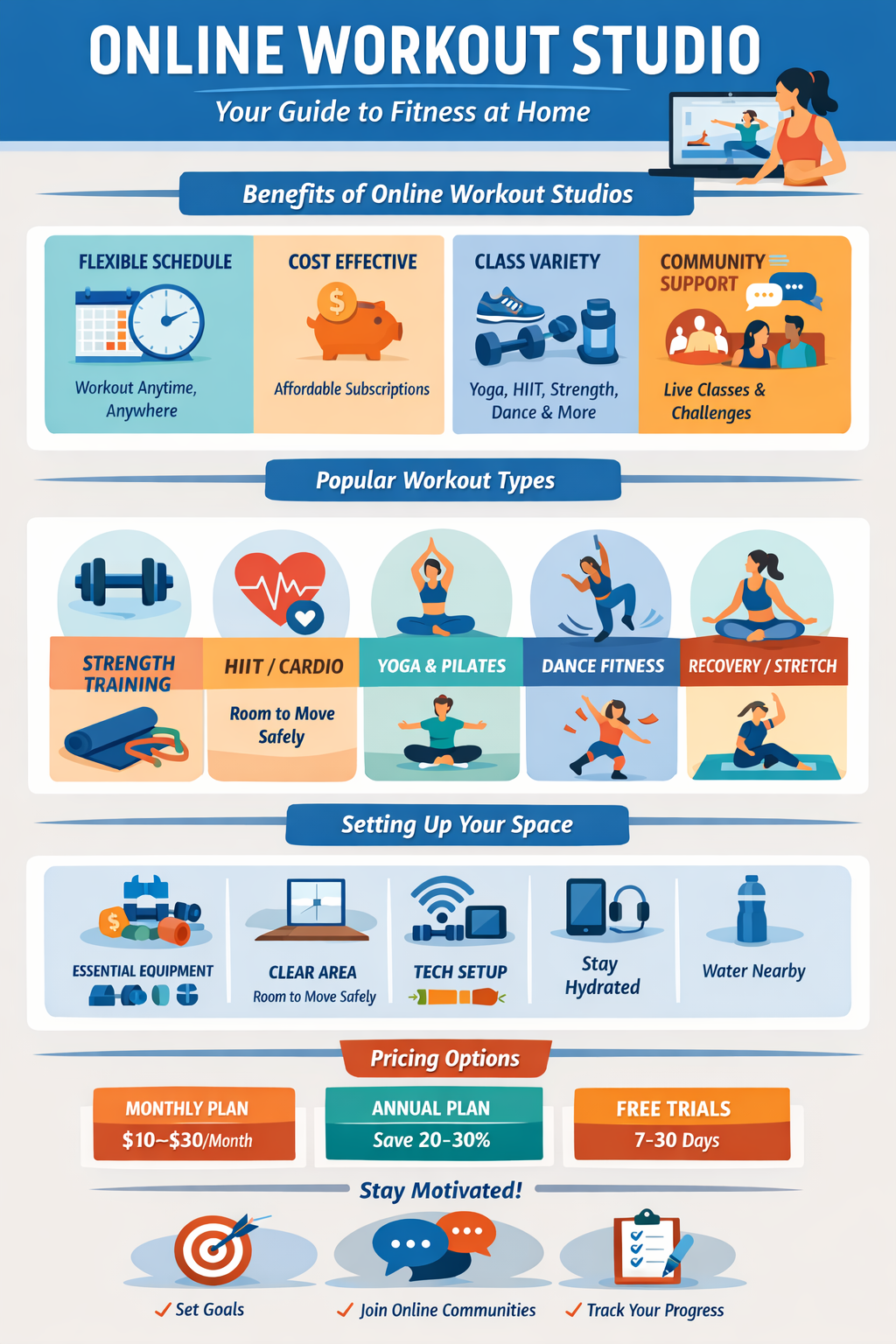
In recent years, home workout programs have exploded in popularity, becoming a cornerstone of modern fitness routines. These programs are structured exercise plans that you can follow from the comfort of your own home, designed to help you achieve a wide range of fitness goals such as weight loss, muscle building, endurance, or flexibility. Unlike traditional gym-based programs, home workouts offer flexibility and convenience, allowing you to fit exercise into your busy schedule without commuting to a fitness center.
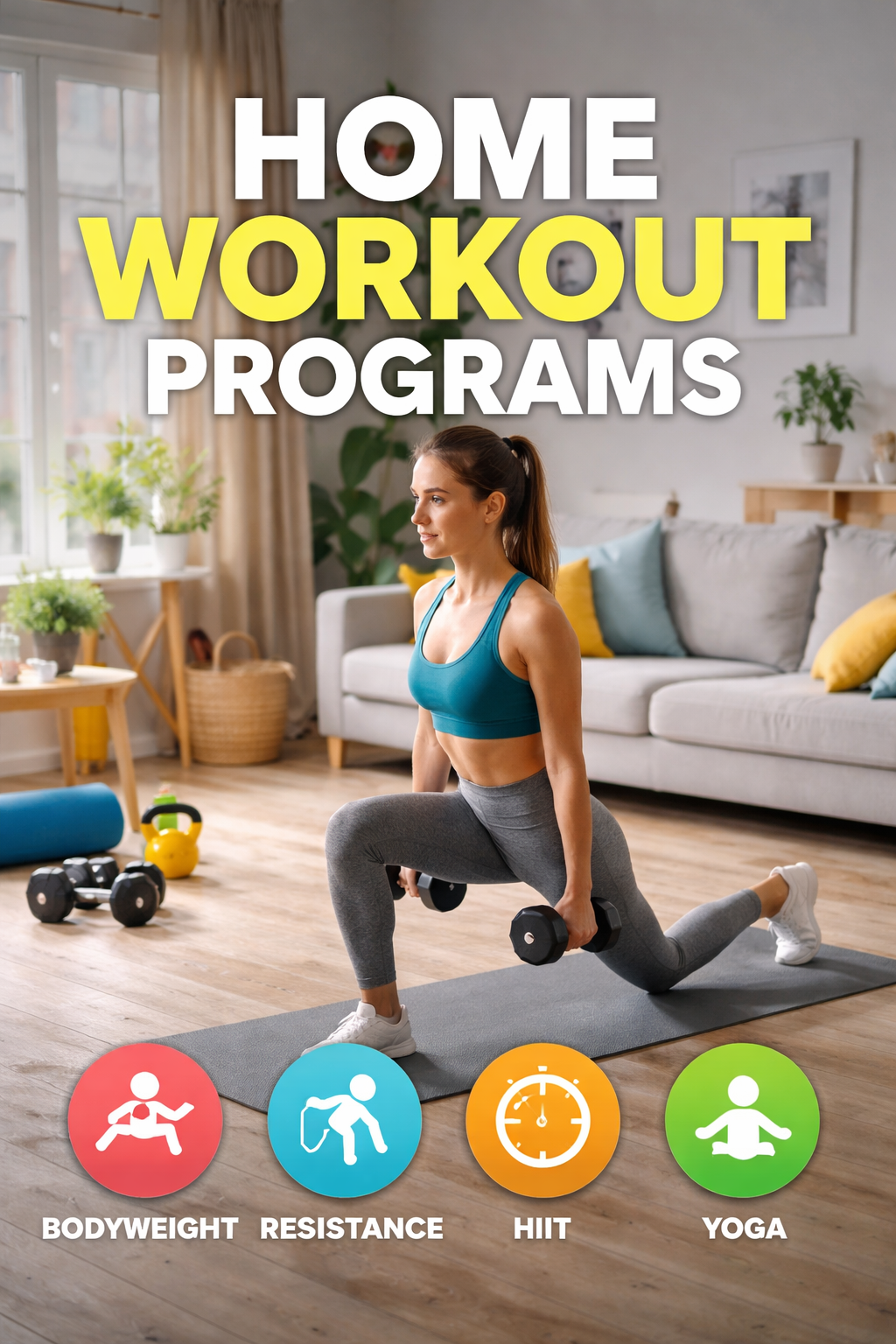
There are many types of home workout programs to suit different needs and preferences. Bodyweight programs rely on your own body as resistance and are perfect for beginners or those with limited space. Resistance band or dumbbell programs add strength training elements without needing a full gym setup. For tech-savvy fitness enthusiasts, online fitness apps and virtual trainers offer guided routines, often with customizable plans tailored to your goals. Additionally, programs like HIIT (High-Intensity Interval Training), yoga, Pilates, and cardio circuits provide variety, ensuring that no matter your level or interest, there’s a home workout program suitable for you.
One of the key reasons home workout programs have gained traction is the ability to combine convenience with effectiveness. Studies show that consistency is one of the most important factors in achieving fitness results, and removing barriers such as travel time or expensive gym memberships significantly improves adherence. According to a 2022 survey by Statista, over 50% of fitness enthusiasts reported that they preferred working out at home at least part of the time, citing convenience, cost savings, and privacy as major benefits.
Furthermore, the rise of at-home fitness routines has been fueled by the availability of online resources. Platforms like YouTube, fitness apps, and virtual coaching make it easier than ever to follow structured programs, track your progress, and stay motivated. With the right plan and discipline, home workout programs can be as effective, if not more so, than traditional gym workouts—especially for beginners and busy professionals.
Key Takeaways:
- Home workout programs are structured exercise routines performed at home, designed for a variety of fitness goals.
- They include bodyweight, resistance, dumbbell, HIIT, yoga, Pilates, and online/virtual options.
- Convenience, cost-effectiveness, and privacy are major benefits.
- Consistency is easier to maintain with home-based routines.Benefits of Home Workout Programs
One of the main reasons home workout programs have surged in popularity is their wide range of benefits that go beyond simple convenience. Whether you are a beginner or an experienced fitness enthusiast, a well-structured at-home fitness routine can improve physical health, mental wellbeing, and overall lifestyle. Below, we break down the key advantages in detail.
Convenience and Flexibility
Home workout programs allow you to exercise anytime, anywhere, without being constrained by gym hours or commute times. This flexibility is especially beneficial for busy professionals, parents, or students who struggle to find consistent gym time. You can schedule workouts in the morning, during lunch breaks, or late at night—whenever it fits your routine.
Moreover, the flexibility of home workouts extends to program variety. You can easily switch between cardio, strength training, yoga, or HIIT exercises depending on your goals and mood. This adaptability makes it easier to stay consistent, which research shows is one of the most critical factors in long-term fitness success. A study published in the Journal of Sports Science & Medicine found that individuals who exercised consistently at home were 30% more likely to stick with their routines compared to those relying solely on gym attendance.
Cost-Effectiveness
Joining a gym often involves monthly fees, long-term contracts, and additional costs for personal trainers or classes. In contrast, home workout programs can be completely free or low-cost, making them accessible to almost anyone.
Bodyweight routines require zero equipment.
Resistance bands or dumbbells are inexpensive investments that can last for years.
Online fitness apps offer free or affordable guided programs with professional coaching.
Over time, this cost-effectiveness can save hundreds, if not thousands, of dollars per year, making home workouts a financially sustainable fitness solution.
Privacy and Comfort
Many people feel intimidated or self-conscious when working out in crowded gyms. Home workout programs offer a private environment where you can exercise comfortably without worrying about others’ judgments. This comfort encourages more relaxed and focused workouts, helping beginners build confidence before transitioning to more advanced routines or gym settings.
Additionally, privacy allows for experimentation with different workout types—whether it’s high-intensity circuits, yoga flows, or dance cardio—without fear of embarrassment or interruption.
Variety of Workout Options
Contrary to popular belief, home workout programs aren’t limited to simple exercises. Modern at-home routines can include:
Strength training with dumbbells, kettlebells, or resistance bands.
Cardio circuits, HIIT sessions, or step exercises.
Flexibility and mind-body training such as yoga or Pilates.
Combination programs that integrate strength, cardio, and flexibility.
With such a wide range of options, home workout programs allow you to target every aspect of fitness—from cardiovascular health and strength to mobility and stress relief. This versatility ensures your routine never becomes monotonous, keeping motivation high.
Science-Backed Effectiveness
Research shows that structured home workout programs can be just as effective as gym-based programs when performed consistently. For example:
Study
Participants
Program Type
Result
Journal of Strength & Conditioning Research, 2021
50 adults
Bodyweight HIIT
Increased cardiovascular endurance and fat loss over 8 weeks
BMC Public Health, 2020
120 adults
Online resistance training
Significant improvements in muscle strength and flexibility
Frontiers in Physiology, 2019
80 adults
Home yoga & Pilates
Improved flexibility, balance, and stress reduction
These studies highlight that with proper guidance, structure, and consistency, home workout programs can deliver measurable fitness outcomes comparable to traditional gyms.
Key Takeaways:
Home workout programs provide convenience, flexibility, and privacy.
They are cost-effective and accessible to beginners and advanced users alike.
A wide variety of programs ensures all fitness goals can be met at home.
Research supports their effectiveness for strength, endurance, fat loss, and flexibility.How to Choose the Right Home Workout Program
Selecting the right home workout program is crucial for achieving your fitness goals efficiently and safely. With so many options available—from bodyweight routines to online apps—it’s important to consider your goals, fitness level, available equipment, and schedule before committing to a plan. Making the right choice not only improves results but also helps maintain long-term motivation.
Identify Your Fitness Goals
Before starting any home workout program, ask yourself what you want to achieve. Goals usually fall into one or more of the following categories:
Weight Loss: Programs focusing on cardio, HIIT, and high-repetition resistance exercises.
Muscle Building: Strength-focused programs with progressive resistance using dumbbells, kettlebells, or bodyweight.
Endurance and Stamina: Cardio circuits, running or cycling programs, or high-intensity interval training.
Flexibility and Mobility: Yoga, Pilates, and stretching routines to improve posture, balance, and overall mobility.
Understanding your primary goal ensures that the program you choose aligns with your desired results. For instance, a high-rep bodyweight program might be excellent for fat loss but less effective for building muscle mass.
Consider Your Fitness Level
Not all home workout programs are suitable for every fitness level. Choosing a program that matches your current capabilities prevents injuries and burnout while encouraging progress.
Beginners: Should focus on simple bodyweight exercises, short sessions (15–30 minutes), and low-intensity routines. Programs like “Beginner Bodyweight Blast” or “Intro to Home HIIT” are excellent starting points.
Intermediate: Can incorporate resistance bands, dumbbells, and more challenging circuits, often lasting 30–45 minutes per session.
Advanced: High-intensity full-body programs, weighted workouts, and complex routines that require a strong foundation of strength and endurance.
Matching your program to your fitness level ensures you are challenged but not overwhelmed, which improves adherence and long-term success.
Equipment vs. No Equipment
Another important consideration is the type of equipment you have access to. Home workout programs can generally be categorized into:
No-Equipment (Bodyweight) Programs: Perfect for small spaces, beginners, or those on a tight budget. Exercises include push-ups, squats, lunges, planks, and burpees.
Minimal Equipment Programs: Use items like resistance bands, dumbbells, kettlebells, or yoga mats to increase intensity and variety.
Full-Equipment Home Programs: Include small home gyms, machines, or heavier weights for advanced strength training routines.
Even a simple bodyweight program can provide remarkable results when paired with consistency and proper nutrition, making these options ideal for most people.
Time Commitment
The amount of time you can realistically dedicate to a home workout program is critical. Not all programs require an hour per session; many effective routines are 15–30 minutes long, especially if using HIIT or circuit-based approaches.
Short Workouts (15–30 minutes): Best for beginners, busy schedules, or daily light sessions.
Medium Workouts (30–45 minutes): Suitable for intermediate fitness levels or programs that combine strength and cardio.
Long Workouts (45–60+ minutes): Ideal for advanced trainees, full-body routines, or strength-focused programs requiring rest between sets.
Consistency is more important than duration—choosing a program you can realistically maintain ensures better results over time.
Key Takeaways:
Define clear fitness goals before choosing a program.
Match the program intensity to your fitness level to avoid injury and burnout.
Decide if you want equipment-based or bodyweight-only routines.
Consider the time you can commit each day or week to maintain consistency.Top Home Workout Programs and Routines
With so many home workout programs available, it can be overwhelming to choose one. To simplify things, we’ve broken down the most effective and popular routines by type, so you can find the perfect plan for your fitness level and goals. These routines include options that require no equipment, minimal equipment, or online guidance, making them accessible to everyone.
Bodyweight Home Workout Programs
Bodyweight exercises are the foundation of most at-home fitness routines. They require no equipment and can be scaled to suit beginners or advanced users. Common bodyweight exercises include:
Push-ups (regular, incline, decline)
Squats and squat variations
Lunges (forward, reverse, walking)
Planks and plank variations
Burpees and jumping jacks
Sample Bodyweight Routine (Beginner – 20 minutes):
Exercise
Reps
Sets
Rest
Push-ups
10–15
3
30 sec
Squats
15
3
30 sec
Lunges
10 per leg
3
30 sec
Plank
30 sec
3
30 sec
Jumping Jacks
30 sec
3
30 sec
Benefits: Improves strength, endurance, and mobility without needing space or equipment. Ideal for beginners or small apartments.
Resistance Band Home Workouts
Resistance bands are lightweight, inexpensive, and versatile, making them a great addition to any home workout program. They help build strength, tone muscles, and add progressive resistance to bodyweight exercises.
Sample Resistance Band Routine (Full Body – 25 minutes):
Banded squats – 12–15 reps
Bicep curls – 12–15 reps
Lateral band walks – 10 steps each side
Glute bridges – 15 reps
Overhead press – 12–15 reps
Benefits: Low impact, excellent for joint health, and allows progressive resistance without heavy weights.
Dumbbell or Kettlebell Workouts
For those with some home equipment, dumbbells or kettlebells unlock advanced strength training options. These routines target specific muscle groups or the full body and can be adjusted by weight and reps.
Sample Dumbbell Routine (Intermediate – 30 minutes):
Exercise
Reps
Sets
Focus
Dumbbell Squat Press
12
3
Full body
Bent-Over Rows
12
3
Back
Dumbbell Chest Press
12
3
Chest
Goblet Squats
15
3
Legs & Glutes
Russian Twists
20
3
Core
Benefits: Builds strength, muscle tone, and improves stability and coordination. Great for intermediate or advanced users.
HIIT (High-Intensity Interval Training) Programs
HIIT workouts alternate short bursts of high-intensity exercise with recovery periods, boosting fat loss, endurance, and metabolism in minimal time. Many HIIT programs require no equipment, making them ideal for home use.
Sample HIIT Routine (20 minutes):
Jump squats – 30 sec
Push-ups – 30 sec
Mountain climbers – 30 sec
Rest – 30 sec
Repeat circuit 4–5 times
Benefits: Burns calories quickly, improves cardiovascular health, and increases metabolic rate even after the workout.
Yoga and Pilates Home Workouts
Yoga and Pilates are ideal for flexibility, core strength, balance, and stress reduction. They often require only a mat and some space. These programs are excellent for recovery days or as a supplement to strength or cardio routines.
Sample Yoga Routine (30 minutes):
Sun Salutations – 5 rounds
Warrior Series – 2 minutes per side
Plank to Downward Dog – 1 minute
Seated Forward Fold – 2 minutes
Meditation – 5 minutes
Benefits: Enhances flexibility, reduces stress, improves posture, and complements strength-focused home workouts.
Online Home Fitness Apps and Virtual Programs
The digital era has made home workout programs more accessible than ever. Popular apps provide guided routines, progress tracking, and structured plans. Some notable apps include:
Peloton App: Offers cycling, strength, and yoga routines.
FitOn: Free workouts with celebrity trainers.
Freeletics: AI-driven programs based on your fitness level and goals.
Benefits: Provides professional guidance, structured plans, and community motivation, making it easier to stick to a program.
Key Takeaways:
Home workout programs come in bodyweight, resistance, dumbbell/kettlebell, HIIT, yoga, and app-based formats.
Choose a program based on fitness goals, equipment availability, and time constraints.
Even simple bodyweight or HIIT routines can produce significant results when done consistently.
Using online apps or virtual coaching can provide guidance and accountability, especially for beginners.How to Structure a Home Workout Program
Creating a well-structured home workout program is essential for achieving consistent results while avoiding injury or burnout. Structure ensures your workouts are balanced, effective, and aligned with your goals—whether that’s building muscle, losing fat, or improving overall fitness. Below, we break down the key components of an ideal home workout program.
Warm-Up and Cool-Down
A proper warm-up prepares your muscles and joints for exercise, increasing blood flow and reducing the risk of injury. A typical warm-up lasts 5–10 minutes and can include:
Jumping jacks or high knees (2 minutes)
Arm circles and shoulder rotations (1–2 minutes)
Dynamic stretches (leg swings, torso twists)
After your workout, a cool-down is equally important. It helps your body recover, reduces muscle soreness, and improves flexibility. A cool-down can include:
Static stretches targeting worked muscles
Deep breathing exercises
Light walking or gentle movement
Tip: Always pair home workout programs with proper warm-ups and cool-downs to maximize safety and effectiveness.
Weekly Schedule Ideas
Consistency is key for home workout programs. Depending on your fitness level and goals, you can structure your week as follows:
Fitness Level
Days per Week
Focus
Beginner
3 days
Full-body workouts with bodyweight exercises
Intermediate
4–5 days
Mix of strength, cardio, and flexibility
Advanced
5–6 days
Split routines (upper/lower body) with added HIIT or weights
Example Beginner Week (Bodyweight Focus):
Monday: Full-body strength (push-ups, squats, planks)
Wednesday: Cardio + core (jumping jacks, mountain climbers, sit-ups)
Friday: Flexibility & mobility (yoga or stretching)
This structure ensures balanced training while allowing adequate recovery between sessions.
Mixing Cardio, Strength, and Flexibility
A complete home workout program should incorporate all three elements to promote overall fitness:
Cardio: Boosts heart health, endurance, and calorie burn. Examples: HIIT circuits, jump rope, running in place.
Strength Training: Builds muscle, tones your body, and improves metabolism. Examples: Dumbbells, kettlebells, resistance bands, bodyweight exercises.
Flexibility & Mobility: Reduces injury risk, improves posture, and aids recovery. Examples: Yoga, Pilates, static stretches.
Tip: Combining these elements in a weekly plan maximizes results and keeps workouts engaging.
Tracking Progress
Tracking your progress helps you stay motivated and ensures your home workout program is effective. Methods include:
Fitness Apps: Track workouts, sets, reps, and improvements.
Journals: Record exercises, weights, and duration.
Photos & Measurements: Take weekly progress photos or measure waist, hips, and strength improvements.
Case Study: A 2021 study in BMC Public Health found that participants who tracked their home workouts and set measurable goals were 40% more likely to achieve fitness milestones compared to those who did not track progress.
Key Takeaways:
Include a proper warm-up and cool-down to prevent injuries.
Follow a weekly schedule suitable for your fitness level.
Mix cardio, strength, and flexibility for a balanced program.
Track progress using apps, journals, or photos to stay motivated and measure results.Common Challenges with Home Workout Programs and How to Overcome Them
While home workout programs are convenient and effective, many people face challenges that can derail consistency and results. Understanding these obstacles—and how to overcome them—ensures your home fitness journey stays on track.
Staying Motivated
Lack of motivation is one of the most common hurdles in home workouts. Unlike a gym environment, home workouts require self-discipline and focus.
Tips to stay motivated:
Set clear goals: Track progress with specific, measurable objectives like “do 20 push-ups in a row” or “complete a 30-minute HIIT session 3x per week.”
Create a dedicated workout space: Even a small corner with a mat or equipment can psychologically prepare you to exercise.
Follow online challenges or communities: Participating in virtual fitness groups or social media challenges keeps you accountable and engaged.
Reward yourself: Small rewards for sticking to your program can reinforce positive habits.
Fact: A study in Frontiers in Psychology found that individuals who used goal-setting and community support were 50% more likely to adhere to home workout routines.
Avoiding Plateaus
Even effective home workout programs can become less effective over time if your body adapts to the routine. This is known as a plateau.
How to overcome plateaus:
Increase intensity: Add more repetitions, sets, or weights to your exercises.
Change exercises: Swap standard moves for variations that target the same muscle groups.
Incorporate progressive overload: Gradually increase difficulty to challenge muscles and improve strength.
Tip: Periodically rotating between bodyweight, resistance, and dumbbell workouts prevents stagnation and promotes continued growth.
Limited Space or Equipment
Many people struggle with space constraints or lack of equipment for home workouts.
Solutions:
Use bodyweight exercises for strength and cardio, requiring minimal space.
Incorporate household items like chairs for step-ups, water bottles as weights, or towels for resistance.
Choose compact equipment like resistance bands or foldable dumbbells that fit in small spaces.
Tip: A 10×10 foot area is sufficient for most home routines, making workouts possible in even small apartments.
Maintaining Proper Form
Without supervision, it’s easy to perform exercises incorrectly, risking injury or reducing effectiveness.
Tips to ensure proper form:
Use mirrors or video recording to monitor your posture.
Follow guided online programs or apps with form demonstrations.
Start with slower, controlled movements before increasing intensity.
Focus on quality over quantity: fewer repetitions with proper form are better than many reps done incorrectly.
Case Study: Research from the Journal of Sports Medicine and Physical Fitness found that participants who followed video-guided home workouts had 20% fewer form-related errors compared to self-directed routines.
Key Takeaways:
Motivation, plateaus, space, and proper form are common challenges in home workout programs.
Set goals, track progress, and engage with communities to maintain motivation.
Rotate exercises and increase intensity to avoid plateaus.
Use household items or compact equipment if space is limited.
Focus on proper form with mirrors, apps, or slow movements to prevent injuryHome Workout Program Tips for Maximum Results
Even the best home workout programs require smart strategies to maximize results. Small adjustments in nutrition, recovery, consistency, and daily activity can drastically improve your fitness outcomes. Below are key tips to make your home workouts more effective and sustainable.
Focus on Nutrition and Hydration
Exercise alone isn’t enough to achieve your fitness goals. Proper nutrition fuels workouts, aids recovery, and supports muscle growth or fat loss.
Nutrition Tips for Home Workout Programs:
Protein: Essential for muscle repair and growth. Sources: chicken, fish, eggs, beans, protein powders.
Complex Carbs: Provide energy for workouts. Sources: oats, brown rice, quinoa, sweet potatoes.
Healthy Fats: Support hormone production and overall health. Sources: nuts, seeds, avocado, olive oil.
Hydration: Drink water before, during, and after workouts to maintain performance and prevent fatigue.
Fact: Studies show that combining regular exercise with proper nutrition can increase fat loss by up to 30% compared to exercise alone.
Prioritize Rest and Recovery
Muscles grow and repair during rest periods, making recovery just as important as the workout itself. Overtraining can lead to injury and burnout.
Recovery Tips:
Aim for 7–9 hours of sleep per night.
Take rest days or perform light activity like stretching or walking.
Use foam rollers or massages to relieve muscle tension and improve mobility.
Tip: For home workout programs, alternating muscle groups ensures some areas rest while others are trained, reducing the risk of overuse injuries.
Combine Workouts with Daily Movement
In addition to structured exercise, staying active throughout the day boosts calorie burn and supports overall health.
Simple Ways to Add Daily Movement:
Take short walks during breaks or after meals.
Use stairs instead of elevators.
Stretch or perform light exercises while watching TV or working.
Even small amounts of activity contribute to long-term fitness success, complementing your home workout program.
Stay Consistent and Realistic
Consistency is the single most important factor in seeing results from home workout programs. Start with achievable goals and gradually increase intensity or duration as your fitness improves.
Tips for Consistency:
Schedule workouts like appointments on your calendar.
Track progress using apps, journals, or photos.
Reward yourself for milestones to maintain motivation.
Quote: “Success isn’t always about greatness. It’s about consistency. Consistent hard work leads to success. Greatness will come.” – Dwayne “The Rock” Johnson
Key Takeaways:
Nutrition and hydration fuel workouts and recovery.
Rest and recovery prevent injury and support muscle growth.
Daily movement complements structured exercise for better results.
Consistency and realistic goal-setting are essential for long-term success.Conclusion: Start Your Home Workout Program Today
Home workout programs are a flexible, effective, and accessible way to improve your health, strength, and overall fitness—regardless of your experience level. Whether you prefer bodyweight exercises, resistance training, HIIT, yoga, or app-guided routines, there’s a program that can fit your goals, schedule, and space.
By choosing the right program, structuring your workouts effectively, and following tips on nutrition, recovery, and consistency, you can achieve significant results from the comfort of your own home. Remember: consistency, proper form, and progressive challenge are key to long-term success.
For those just starting out, focus on short, manageable routines a few days per week, and gradually increase intensity as your strength and endurance improve. Intermediate and advanced users can experiment with dumbbells, resistance bands, and advanced HIIT circuits to keep challenging the body.
Internal Linking for SEO:
Check out our Beginner-Friendly Home Workout Routine for a 20-minute full-body session.
Learn about Resistance Band Exercises at Home for strength and toning.
Explore HIIT Workouts for Fat Loss that you can do in 30 minutes or less.
With the right approach, home workout programs can deliver gym-quality results, save time and money, and help you maintain a healthy lifestyle for years to come. Don’t wait—start your home fitness journey today and make consistency your superpower.
Final Key Takeaways:
Home workouts are convenient, cost-effective, and versatile, suitable for beginners to advanced users.
Structure your program with warm-ups, balanced routines, and proper recovery.
Track your progress, stay consistent, and gradually increase intensity for maximum results.
Combine exercise with healthy nutrition, hydration, and daily movement.
Use online resources, apps, or small equipment to enhance variety and motivation.Suggested Images, Charts, and Alt Text for the Blog Post
Section
Suggested Visual
Description / Alt Text
Introduction
Hero image of a person doing a home workout in a living room
“Person performing a home workout program in a living room”
Benefits of Home Workout Programs
Infographic showing convenience, cost, privacy, and variety
“Infographic showing benefits of home workout programs: convenience, cost-effective, private, versatile”
Bodyweight Home Workouts
Photo of someone doing push-ups or squats
“Beginner performing bodyweight exercises at home: push-ups and squats”
Resistance Band Workouts
Person using resistance bands for full-body exercises
“Resistance band home workout targeting arms, legs, and core”
Dumbbell/Kettlebell Workouts
Home gym setup with dumbbells and kettlebells
“Home strength training program with dumbbells and kettlebells”
HIIT Workouts
Action shot of high-intensity exercises, jumping jacks or burpees
“High-intensity interval training home workout for fat loss and endurance”
Yoga/Pilates
Person doing yoga mat poses
“Yoga and Pilates home workout for flexibility, core strength, and relaxation”
Weekly Schedule
Chart showing beginner, intermediate, advanced weekly schedule
“Weekly home workout program schedule for beginners, intermediate, and advanced levels”
Tracking Progress
Fitness journal or mobile app screenshot
“Tracking home workout program progress using a fitness journal or app”
Common Challenges
Graphic showing motivation, space, and equipment hurdles
“Common challenges in home workout programs and how to overcome them”
Nutrition & Recovery
Balanced meal plate and hydration
“Nutrition and hydration tips for maximum results in home workout programs”
FAQs
Question mark icon or Q&A illustration
“Frequently asked questions about home workout programs”
Conclusion
Motivational image of a fit person at home
“Start your home workout program today for strength, endurance, and overall health”1. Popular Types of Home Workout Programs & Effectiveness
Type
Description
Equipment Needed
Target Audience
Key Benefit
Supporting Data / Case Study
Bodyweight
Uses your own body for resistance; squats, push-ups, planks
None
Beginners & intermediate
Builds strength, endurance, and flexibility
Journal of Strength & Conditioning Research (2021): 8-week bodyweight HIIT increased cardiovascular endurance by 15%
Resistance Bands
Adds resistance to exercises
Bands only
All levels
Muscle toning, progressive resistance
BMC Public Health (2020): Resistance band program increased upper/lower body strength by 20% in adults
Dumbbells/Kettlebells
Weight-based strength training
Dumbbells/kettlebells
Intermediate & advanced
Muscle gain, tone, strength
Frontiers in Physiology (2019): 6-week kettlebell program increased strength by 18%
HIIT
High-Intensity Interval Training, short bursts
Optional (bodyweight or dumbbells)
All levels
Burns calories, improves cardiovascular fitness
Journal of Sports Science & Medicine (2021): 20-min HIIT burned 25% more calories than 40-min steady cardio
Yoga & Pilates
Flexibility, balance, core strength
Yoga mat
All levels
Stress relief, mobility, posture
Frontiers in Physiology (2019): 8-week Pilates program improved flexibility by 22% and core strength by 18%
Online Fitness Apps
Guided routines via phone or computer
Optional (depends on program)
Beginners & advanced
Guidance, accountability, variety
BMC Public Health (2020): AI-driven online resistance program improved adherence by 40%
2. Weekly Home Workout Schedule Examples
Fitness Level
Days per Week
Focus
Example Program
Beginner
3
Full-body
Mon: Bodyweight Strength, Wed: Cardio + Core, Fri: Yoga/Stretch
Intermediate
4–5
Strength + Cardio + Flexibility
Mon: Dumbbell Full Body, Tue: HIIT, Thu: Resistance Bands, Fri: Yoga
Advanced
5–6
Split routines + HIIT
Mon: Upper Body Dumbbells, Tue: Lower Body, Wed: HIIT, Thu: Full Body, Fri: Core + Flexibility
3. Recommended Duration & Frequency
Fitness Goal
Suggested Frequency
Duration per Session
Notes
Weight Loss
4–5 days/week
20–45 mins
Focus on HIIT + Cardio circuits
Muscle Building
3–5 days/week
30–60 mins
Focus on strength training, progressive overload
Endurance
4–6 days/week
20–40 mins
Mix HIIT and steady-state cardio
Flexibility & Mobility
2–5 days/week
15–45 mins
Yoga, Pilates, and stretching
4. Common Challenges & Solutions
Challenge
Solution
Supporting Data
Lack of Motivation
Set clear goals, use online communities, schedule workouts
Frontiers in Psychology (2021): Goal-setting + community increased adherence by 50%
Plateaus
Increase intensity, rotate exercises, use progressive overload
Fitness principle: Progressive overload promotes continuous strength gains
Limited Space
Bodyweight exercises, resistance bands, small dumbbells, household items
Even a 10×10 ft area is sufficient for most routines
Maintaining Proper Form
Use mirrors, video recording, online guides, slow reps
Journal of Sports Medicine (2019): Video-guided workouts reduced form errors by 20%
5. Sample Bodyweight Beginner Routine (20–25 mins)
Exercise
Reps/Time
Sets
Rest
Push-ups (knee or incline)
10–15
3
30 sec
Squats
15
3
30 sec
Lunges
10 per leg
3
30 sec
Plank
20–30 sec
3
30 sec
Jumping Jacks
30 sec
3
30 sec
6. Sample Resistance Band Routine (25 mins)
Exercise
Reps
Sets
Banded Squats
12–15
3
Bicep Curls
12–15
3
Lateral Band Walks
10 steps per side
3
Glute Bridges
15
3
Overhead Press
12–15
3
7. Nutrition & Recovery Data for Home Workouts
Component
Importance
Recommended Intake
Protein
Muscle repair & growth
0.8–1.2g per lb body weight per day
Carbs
Workout energy
45–60% of daily calories
Healthy Fats
Hormone balance & recovery
20–30% of daily calories
Water
Hydration & performance
2–3 liters/day (more if sweating)
Sleep
Recovery & muscle growth
7–9 hours/night
Fact: Combining structured workouts with proper nutrition can increase fat loss by up to 30% compared to exercise alone.
8. Sample Progress Tracking Metrics
Metric
How to Track
Frequency
Strength
Reps, sets, weights lifted
Weekly
Endurance
Time, distance, or heart rate
Weekly
Flexibility
Range of motion or stretch duration
Weekly
Body Composition
Weight, body fat %, measurements
Monthly
Visual Progress
Photos
Every 2–4 weeksThe Ultimate Guide to Home Workout Programs for Every Fitness Level
Meta Description: Discover the best home workout programs for beginners, intermediates, and advanced fitness enthusiasts. Tips, routines, and equipment-free workouts included!
What Are Home Workout Programs?
In recent years, home workout programs have exploded in popularity. They are structured exercise plans that can be performed from the comfort of your home, designed to improve strength, endurance, flexibility, and overall fitness. Unlike gym-based routines, home workouts offer convenience, privacy, and cost-effectiveness.
Types include bodyweight routines, resistance band workouts, dumbbell/kettlebell programs, HIIT, yoga/Pilates, and online/virtual guided programs. Studies show that consistent home workouts can be just as effective as gym sessions. A 2022 survey by Statista found that over 50% of fitness enthusiasts prefer home workouts due to convenience and flexibility.
Key Takeaways:
Structured routines performed at home.
Flexible for beginners to advanced users.
Cost-effective, private, and accessible.
Benefits of Home Workout Programs
Convenience and Flexibility
Exercise anytime, anywhere. Busy professionals and parents can fit workouts into their schedule without commuting. Journal of Sports Science & Medicine found home exercisers were 30% more consistent than gym-goers.
Cost-Effectiveness
No expensive memberships needed. Bodyweight routines are free, resistance bands are inexpensive, and online apps often have low-cost subscriptions.
Privacy and Comfort
Home workouts remove self-consciousness, allowing beginners to build confidence and try new exercises.
Variety of Options
Programs range from strength training, HIIT, cardio circuits, to yoga and Pilates, making it easy to work every aspect of fitness.
Science-Backed Effectiveness
Study
Participants
Program
Result
Journal of Strength & Conditioning Research (2021)
50 adults
Bodyweight HIIT
15% increase in cardiovascular endurance
BMC Public Health (2020)
120 adults
Online resistance training
20% increase in muscle strength
Frontiers in Physiology (2019)
80 adults
Yoga & Pilates
22% improvement in flexibility, 18% in core strength
How to Choose the Right Home Workout Program
Identify Your Fitness Goals
Weight Loss: HIIT + cardio circuits
Muscle Building: Strength training with progressive overload
Endurance: Cardio & interval routines
Flexibility: Yoga or Pilates
Consider Your Fitness Level
Beginners: Bodyweight, short sessions (15–30 mins)
Intermediate: Resistance bands or dumbbells (30–45 mins)
Advanced: Weighted exercises, high-intensity circuits (45–60+ mins)
Equipment vs No Equipment
Bodyweight programs: 0 equipment
Minimal equipment: resistance bands, dumbbells
Full equipment: home gym setups
Time Commitment
Fitness Level
Duration
Beginner
15–30 mins
Intermediate
30–45 mins
Advanced
45–60+ mins
Top Home Workout Programs and Routines
Bodyweight Programs
Exercise
Reps
Sets
Rest
Push-ups
10–15
3
30 sec
Squats
15
3
30 sec
Lunges
10 per leg
3
30 sec
Plank
30 sec
3
30 sec
Jumping Jacks
30 sec
3
30 sec
Resistance Band Programs
Exercise
Reps
Sets
Banded Squats
12–15
3
Bicep Curls
12–15
3
Lateral Band Walks
10 steps per side
3
Glute Bridges
15
3
Overhead Press
12–15
3
Dumbbells/Kettlebells Programs
Exercise
Reps
Sets
Dumbbell Squat Press
12
3
Bent-Over Rows
12
3
Dumbbell Chest Press
12
3
Goblet Squats
15
3
Russian Twists
20
3
HIIT Programs
Jump squats – 30 sec
Push-ups – 30 sec
Mountain climbers – 30 sec
Rest – 30 sec
Repeat 4–5 rounds
Yoga & Pilates
Sun Salutations – 5 rounds
Warrior Series – 2 mins/side
Plank to Downward Dog – 1 min
Seated Forward Fold – 2 mins
Meditation – 5 mins
Online Fitness Apps
Peloton: cycling, strength, yoga
FitOn: free celebrity trainer workouts
Freeletics: AI-driven personalized programs
How to Structure a Home Workout Program
Warm-Up & Cool-Down
Warm-up: 5–10 mins of dynamic stretches and light cardio
Cool-down: Static stretches and deep breathing
Weekly Schedule
Level
Days
Focus
Beginner
3
Full-body bodyweight
Intermediate
4–5
Strength + cardio + flexibility
Advanced
5–6
Split routines + HIIT
Mixing Cardio, Strength & Flexibility
Balanced workouts improve overall fitness, prevent injury, and maintain motivation.
Tracking Progress
Use fitness apps, journals, or photos
Track strength, endurance, flexibility, and body composition
Common Challenges & How to Overcome Them
Challenge
Solution
Motivation
Set goals, schedule workouts, join online communities
Plateaus
Rotate exercises, progressive overload, increase intensity
Limited Space
Bodyweight, bands, small dumbbells, household items
Proper Form
Mirrors, video recording, guided apps
Tips for Maximum Results
Nutrition & Hydration: Protein, complex carbs, healthy fats, 2–3L water/day
Recovery: 7–9 hours sleep, rest days, foam rolling
Daily Movement: Walks, stairs, stretching
Consistency: Schedule workouts, track progress, reward milestones
FAQs About Home Workout Programs
Best beginner program: Bodyweight exercises 3x/week
Can I build muscle at home? Yes, with progressive overload and resistance exercises
Do I need equipment? No, but resistance bands/dumbbells enhance results
Workout duration? 15–60 mins depending on level and goals
Are online apps effective? Yes, they provide guidance, tracking, and accountability
Conclusion
Home workout programs are convenient, cost-effective, and versatile. By choosing the right program, structuring your schedule, and following tips for nutrition, recovery, and consistency, you can achieve gym-quality results at home. Start small, stay consistent, and gradually increase intensity for long-term success.